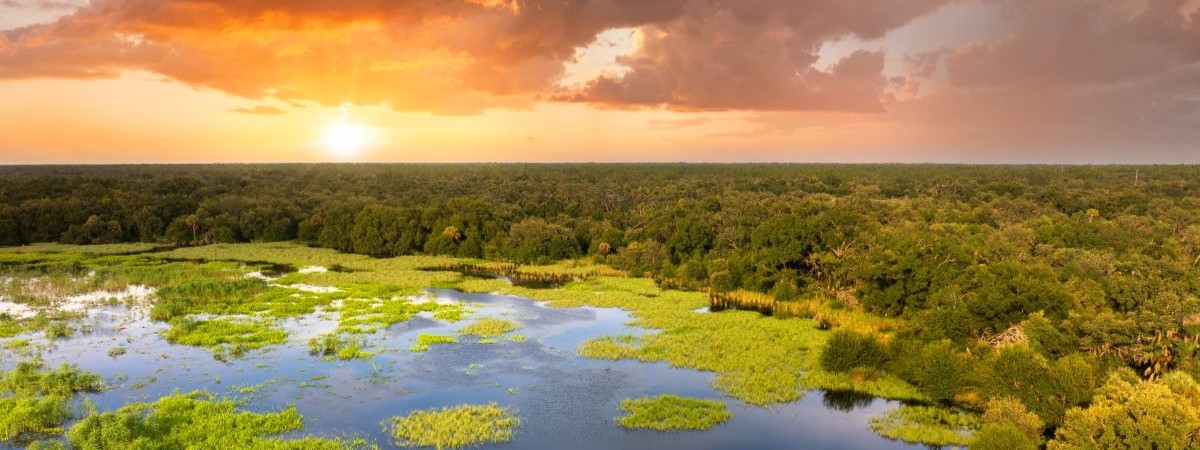
The stream of rulemaking to define regulatory jurisdiction under the federal Clean Water Act took another meander on Sept. 4, 2026, when the Environmental Protection Agency and the Army Corps of Engineers issued a supplemental notice of proposed rulemaking. That proposal appeared in the Federal Register the following week. See 91 Fed. Reg. 57,284 (Sept. 9, 2026). If adopted, the proposal would limit the regulatory ambit of the Clean Water Act to traditionally navigable waters (TNW), “relatively permanent waters” (RPW) that flow or display standing water every day of the year (with limited exceptions) that are themselves connected to a TNW, and wetlands that have a surface water connection to an adjacent TNW or RPW. Wetlands that have groundwater that saturates soil in the root zone but that do not display water at their surface (either from inundation or groundwater rising) would not be subject to federal regulation. That would represent a contraction of federal jurisdiction by even more than was proposed last year. See 90 Fed. Reg. 52,498 (Nov. 20, 2025).

Read “‘Waters of the United States’ May Shrink Even Further,” authored by David G. Mandelbaum for The Legal Intelligencer. (subscription)

Click here to download the PDF.

Print:
Email this postTweet this postLike this postShare this post on LinkedIn
Photo of David Mandelbaum David Mandelbaum

David G. Mandelbaum represents clients facing problems under environmental laws. He regularly represents clients in lawsuits and also has helped clients achieve satisfactory outcomes through regulatory negotiation or private transactions. A Fellow of the American College of Environmental Lawyers, David teaches Superfund, and…

David G. Mandelbaum represents clients facing problems under environmental laws. He regularly represents clients in lawsuits and also has helped clients achieve satisfactory outcomes through regulatory negotiation or private transactions. A Fellow of the American College of Environmental Lawyers, David teaches Superfund, and Oil and Gas Law in rotation at the Temple University Beasley School of Law as well as an environmental litigation course at Suffolk (Boston) Law School.

Since United States v. Atlas Minerals, the first multi-generator Superfund contribution case to go to trial in 1993, Mr. Mandelbaum has been engaged in matters involving allocation of costs among responsible parties, especially under the Comprehensive Environmental Response, Compensation and Liability Act (CERCLA).  He has tried large cases and resolved others as lead counsel.  He has written, spoken, and taught extensively on the subject.  More recently he also has been engaged to assist lead counsel from this firm and others:

to develop cost allocation methodologies;
to craft expert testimony in support of a favored methodology (given a definition of “fairness,” why one methodology better tracks it than another);
to develop efficient case management approaches; and to assist private allocation as part of the neutral team.

Concentrations

Air, water and waste regulation
Superfund and contamination
Climate change
Oil and gas development
Water rights